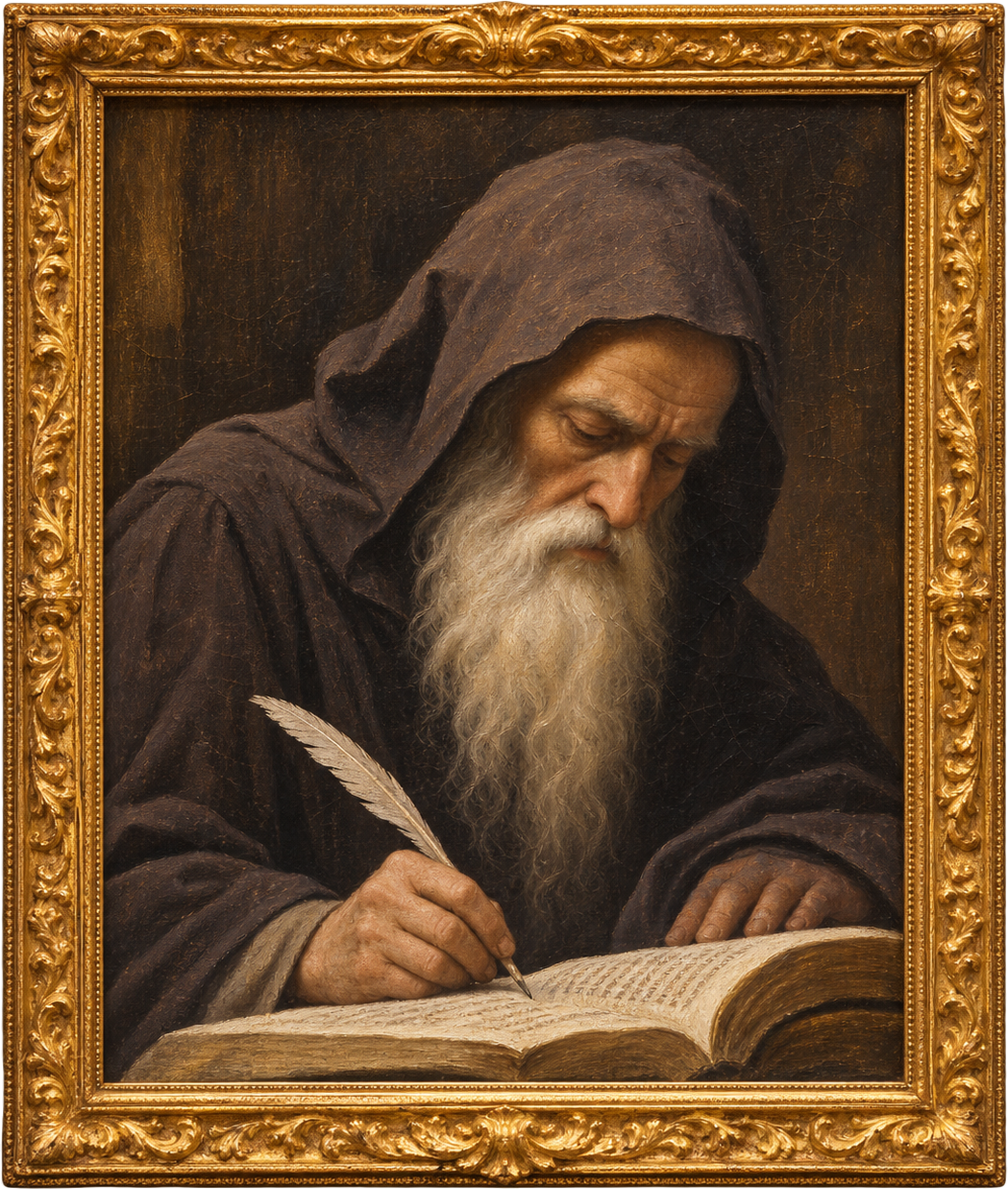
Maximus the
Confessor
c. 580–662
Life
Maximus was the most important Byzantine theologian of the seventh century and the leading defender of dyothelitism (the doctrine that Christ has two wills, divine and human). Born into a prominent Constantinopolitan family in the late sixth century, he served in the imperial administration before becoming a monk. He spent many years in North Africa and Rome, where he opposed the monothelite compromise supported by several emperors and patriarchs. Arrested, tried, and mutilated (his tongue and right hand were cut off), he died in exile in AD 662. Maximus developed a profound synthesis of earlier Greek theology centered on the incarnation and the cosmic significance of Christ.
Selected Writings
- Ambigua (to John and to Thomas) – explanations of difficult passages in Gregory of Nazianzus and Pseudo-Dionysius
- Questions to Thalassius
- Mystagogy
- Chapters on Love and other ascetic writings
- Opuscula on Christology and the two wills
- Letters and other shorter theological treatises

