← Nicene & Post-Nicene Hall
Cyril of Alexandria
c. 376–444
Life
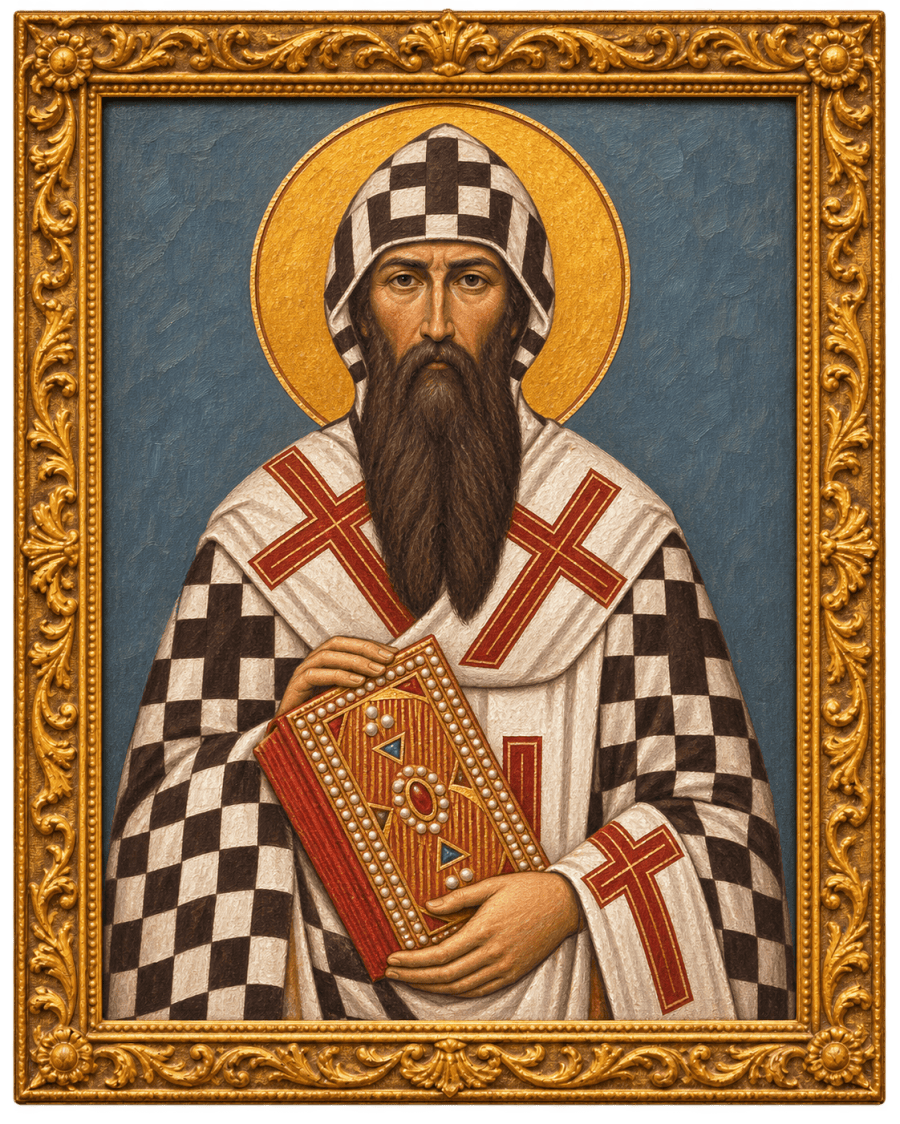
Cyril was patriarch of Alexandria and the dominant theological voice in the Christological controversies of the early fifth century. He succeeded his uncle Theophilus as bishop in AD 412 and soon became a forceful defender of Alexandrian orthodoxy. His central conflict was with Nestorius of Constantinople over the unity of Christ and the propriety of calling Mary Theotokos (“God-bearer” or “mother of God”). Cyril’s writings and political activity led to the Council of Ephesus in 431, which deposed Nestorius and affirmed the title Theotokos. Cyril’s Christology became foundational for both Chalcedonian and non-Chalcedonian traditions, though interpreted differently.
Selected Writings
- Against Nestorius and the Twelve Anathemas
- Extensive biblical commentaries (on the Pentateuch, Isaiah, the minor prophets, John, Luke, etc.)
- Thesaurus and Dialogues on the Trinity
- Festal letters and a large body of correspondence
- Treatises on worship “in spirit and truth” and other dogmatic works

